Strength training has stalled: what to check before changing programs
Use your training record to separate one bad session from a plateau, then change a manageable part of the plan without chasing soreness.


One weaker session is not enough reason to abandon a strength program. Before changing it, compare several recent sessions performed under similar conditions. A useful training record can show whether the problem is missed workouts, a load that no longer challenges you or a plan you cannot recover from.
Cover illustration: Compare repeatable sessions before changing the whole plan. The notebook is illustrative and contains no measured result.
Define the progress you are trying to make
Strength, muscle growth and confidence with a movement are related but different goals. A plan aimed at lifting a heavier single repetition need not look identical to a beginner's health-focused routine. The 2026 ACSM guidance distinguishes programming for strength, muscle size and power while emphasizing consistent resistance training across major muscle groups (ACSM).
Write your goal in a way you can observe: complete the same movement with more controlled repetitions, use a modestly heavier load with the same form, or attend the planned sessions reliably. Do not use next-day soreness as the only evidence of progress. Our building-muscle guide covers the wider training framework.
Check whether the sessions are comparable
A heavier load with a shorter range of motion is not a clean comparison. Nor is a workout after very little sleep directly comparable with one when you are rested. Note the exercise, resistance, repetitions and any change in technique or discomfort. You do not need a complex spreadsheet; a few consistent entries can expose a pattern that memory misses.
If the plan calls for three weekly sessions but you regularly manage one, start with a schedule you can sustain. ACSM's update stresses that participation and consistency matter more than elaborate programming for most healthy adults. Its review found no consistent need for periodization or momentary failure to produce useful outcomes in the average population studied (ACSM).
Change one manageable part
If the same exercise has become easy and movement is controlled, an incremental increase in repetitions or resistance is one practical option. If you are repeatedly exhausted or technique is deteriorating, adding more work may be the wrong response. A qualified coach can look at the record and the movement rather than selling a new routine without assessment.
These are troubleshooting questions, not a validated diagnostic test for overtraining. NIDDK recommends increasing activity gradually and seeking advice when health concerns affect exercise. After an interruption, return according to current ability instead of forcing the old log's numbers (NIDDK).
For persistent pain or unexplained loss of function, stop the painful movement and seek professional assessment. A program change does not diagnose an injury. Keep the record of symptoms and exercises so the clinician or therapist can understand what changed. Once a plan is agreed, allow enough comparable sessions to judge that specific change before altering the rest.
Frequently asked questions
Must I replace every exercise to make progress again?
No. First check consistency, technique and whether the current work is still challenging. Changing everything at once makes the results harder to interpret.
Does a plateau mean I need to train to failure?
Not automatically. The ACSM 2026 review did not find a consistent advantage from momentary failure for the average healthy adult across the outcomes it reviewed.
References
- ACSM Publishes Updated Resistance Training Guidelines · American College of Sports Medicine, 2026
- Resistance Training Prescription for Muscle Function, Hypertrophy, and Physical Performance in Healthy Adults · American College of Sports Medicine, 2026
- Tips for Starting Physical Activity · National Institute of Diabetes and Digestive and Kidney Diseases
Read next

Tired after every workout: check sleep before adding more training
A practical sleep check for men who lift, including when snoring, gasping or daytime sleepiness needs assessment rather than another supplement.
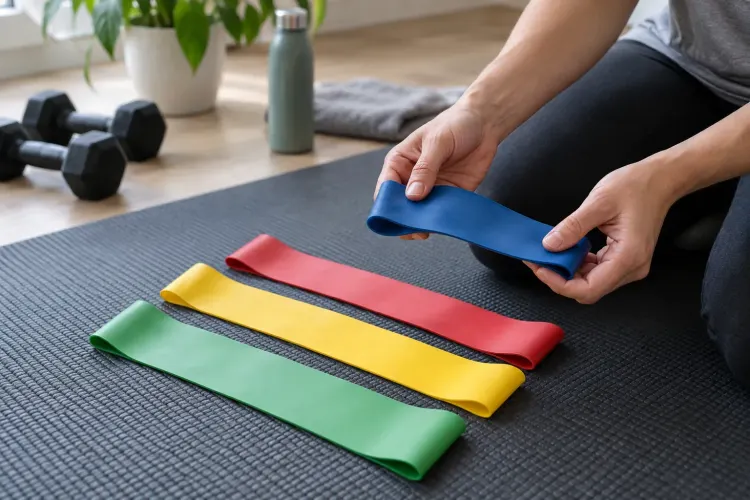
Getting stronger with resistance bands: track more than the color
Make a home band workout repeatable, know when to progress it, and check the equipment without treating a color as a universal weight.

Sore after lifting: when to recover and when to stop
How ordinary soreness after an unfamiliar workout differs from pain that needs assessment, with practical decisions for the next session.