Muscle & Strength
Build muscle and keep it as you age. The training that carries the load, the protein that supports it, and honest numbers on what each is worth.
Muscle answers to a small number of variables and the research on them is more settled than the internet suggests. This hub covers how much training it takes, how often, how much protein supports it, and how to measure what you are made of.
It also covers the part men over forty care about most. Muscle loss with age is real, it starts earlier than most people expect, and it responds to the same training that builds muscle at any age.
All guides in this hub

Tired after every workout: check sleep before adding more training
A practical sleep check for men who lift, including when snoring, gasping or daytime sleepiness needs assessment rather than another supplement.
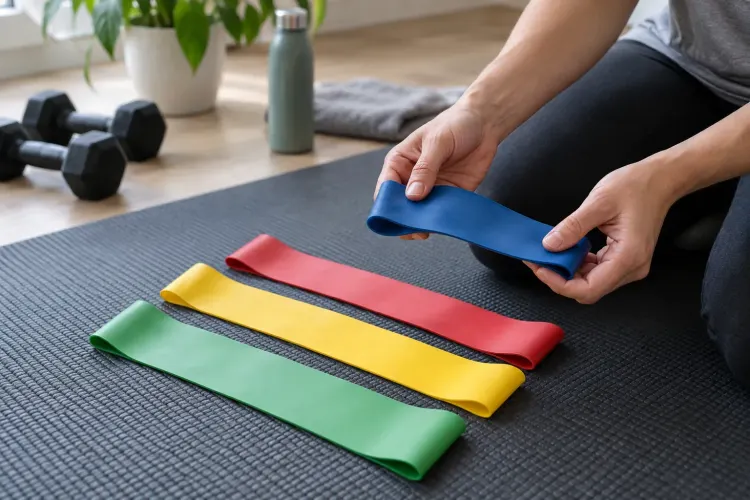
Getting stronger with resistance bands: track more than the color
Make a home band workout repeatable, know when to progress it, and check the equipment without treating a color as a universal weight.

Strength training has stalled: what to check before changing programs
Use your training record to separate one bad session from a plateau, then change a manageable part of the plan without chasing soreness.

Sore after lifting: when to recover and when to stop
How ordinary soreness after an unfamiliar workout differs from pain that needs assessment, with practical decisions for the next session.

Do you need the same protein on rest days?
Why protein still matters between strength sessions, how to think about a daily target, and when an extra shake is unnecessary.

How to restart strength training after a long break
A practical return to lifting after months or years away: two manageable full-body days, how to choose the first load, and when to get medical advice.

BMI for men: how accurate it is, and what to measure alongside it
BMI misses most men carrying excess fat, and a high reading is not a diagnosis either. What the accuracy studies found, and the measurement to take with it.
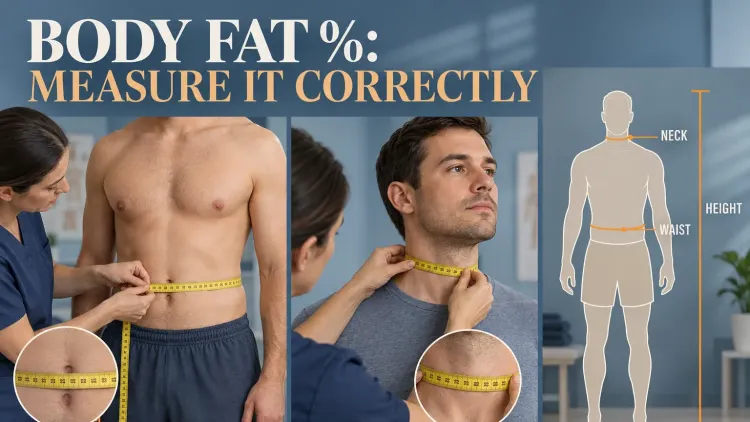
The US Navy body fat formula: how accurate it is, and what the Navy uses now
Online calculators still run the old neck-and-waist equation. How well it performed against laboratory methods, and what the Navy measures instead now.

How to build muscle: the training variables that matter
Sets per week, how often you train a muscle, how long you rest and how much protein you eat. What the trials show, and what to ignore.

Muscle loss with age: how fast it happens and what helps
Muscle loss can begin gradually in midlife and accelerate later. Learn how strength training, protein, aerobic activity and medical review fit together.
Where to start
- How to build muscle Sets per week, frequency, rest and protein, with the dose-response behind each one.
- Muscle loss with age How fast it happens, and what reverses it after sixty.
- How much protein you need Training is the signal and protein is the material. One without the other underdelivers.
What this hub answers
- How many sets per week build muscle?
- Growth tracks weekly volume, with each additional set per muscle worth about 0.37% more growth in pooled trials. Around ten hard sets per muscle per week is a defensible target for most men.
- How often should I train a muscle?
- When weekly volume is matched, a 2019 meta-analysis found no meaningful hypertrophy advantage from higher frequency. Split the work across sessions when it improves set quality, recovery or adherence.
- Is it too late to build muscle after sixty?
- No. Reviews of resistance training in older adults find the ability to respond is comparable to younger people, though the adaptations take longer to appear.