Supplements
What each supplement actually does, who benefits, evidence-based dosing and safety. We separate the few that work from the many sold on marketing alone.
Most of the men's supplement aisle is marketing, and the evidence separating the few useful products from the rest is public and unambiguous. This hub goes through it product by product, with the trial numbers attached.
The pattern repeats often enough to state upfront. A supplement helps when it corrects a deficiency or supports work you are already doing. Almost nothing on the shelf raises testosterone in a man whose level is normal.
All guides in this hub

Creatine and coffee: does caffeine cancel the benefit?
Trials do not support a simple rule that coffee cancels creatine. Understand the limits of the evidence and how to avoid stacking stimulants.
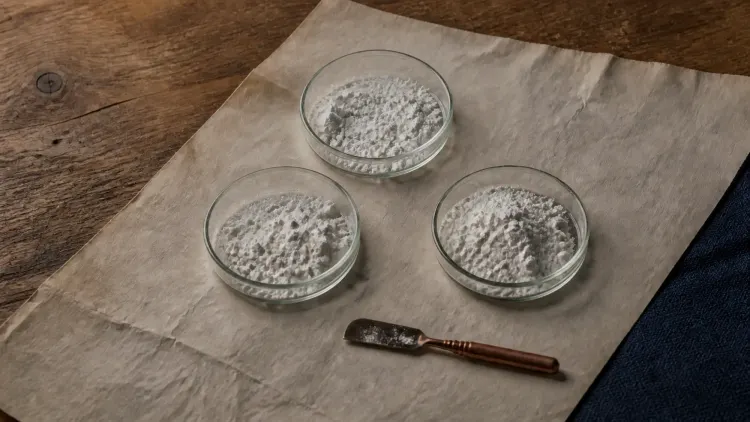
Creatine forms compared: monohydrate, HCl, buffered and the rest
What each form claims, how much direct evidence it has against monohydrate, what the 2024 and 2025 HCl trials found, and how to compare price per gram.

How much water should you drink on creatine?
There is no creatine-specific water target. What creatine does to your body water, why the scale moves in week one, and what the cramping trials found.

Creatine for men: what it does, how much to take, and the myths
Creatine monohydrate benefits, 3–5 g daily dosing, optional loading, water weight, hair and kidney evidence, caffeine, safety and product testing.

Do testosterone boosters work? What trials show
Most testosterone boosters do not reliably work. Here is what human trials show for common ingredients, the safety limits, and when to get tested.
Where to start
- Creatine for men One of the best-studied performance supplements, with a standard healthy-adult maintenance protocol of 3 to 5 g daily.
- Do testosterone boosters work? The trial results, ingredient by ingredient, before you spend anything.
- How much protein you need Protein is the supplement question most men should answer first, and food usually answers it.
What this hub answers
- Which supplements work for men?
- Creatine monohydrate for training performance and lean mass, protein if your intake is short, and vitamin D if you are deficient. The rest of the category has far weaker evidence.
- Do testosterone boosters raise testosterone?
- In men with normal levels, the evidence says no for almost every ingredient sold for the purpose, and the products with real effects are usually correcting a deficiency rather than boosting anything.
- Is creatine safe?
- At standard doses, current controlled evidence does not show impaired kidney filtration in healthy adults. Creatine can raise serum creatinine without a significant pooled change in GFR, so disclose supplementation before renal testing; kidney disease or confusing results need clinician guidance.