Muscle loss with age: how fast it happens and what helps
Muscle loss can begin gradually in midlife and accelerate later. Learn how strength training, protein, aerobic activity and medical review fit together.


Age-related muscle loss is gradual, variable and easy to miss at first. Body weight can stay stable while strength, muscle quality and confidence with stairs, lifting or getting up from a chair begin to change.
The medical term sarcopenia does not mean every normal change in muscle after 30. It describes a clinically important loss of muscle strength and muscle quantity or quality, sometimes with reduced physical performance. That distinction matters because a percentage quoted online cannot diagnose you.
How fast does muscle decline with age?
Harvard Health estimates that adults may lose about 3% to 5% of muscle mass per decade after age 30. Cleveland Clinic gives a broader upper estimate of up to 8% per decade and notes that loss can accelerate later in life. Those figures describe populations, use different methods and should be treated as general ranges rather than a countdown for one person (Harvard Health; Cleveland Clinic).
Strength often tells you more than the bathroom scale. Weight can remain unchanged while the proportion of muscle and fat shifts, and muscle quality can decline even when size changes little. A body-fat estimate may show part of that change, but it cannot assess strength or diagnose sarcopenia.
Normal ageing and sarcopenia are not the same thing
The European Working Group on Sarcopenia in Older People, known as EWGSOP2, puts low muscle strength at the centre of case finding. Low strength makes sarcopenia probable. Low muscle quantity or quality confirms the diagnosis, and low physical performance indicates severe sarcopenia (EWGSOP2 consensus).
That framework is more useful than judging appearance. Clinicians may use grip strength or a repeated chair-rise test, then assess muscle quantity and physical performance when indicated. Difficulty rising from a chair, slower walking, repeated falls and a clear drop in everyday strength deserve more attention than a small change in arm size.
Sarcopenia can overlap with inactivity, inadequate food intake, chronic disease, medication effects and recovery from illness or hospitalisation. A clinician needs the full pattern, not a single measurement.
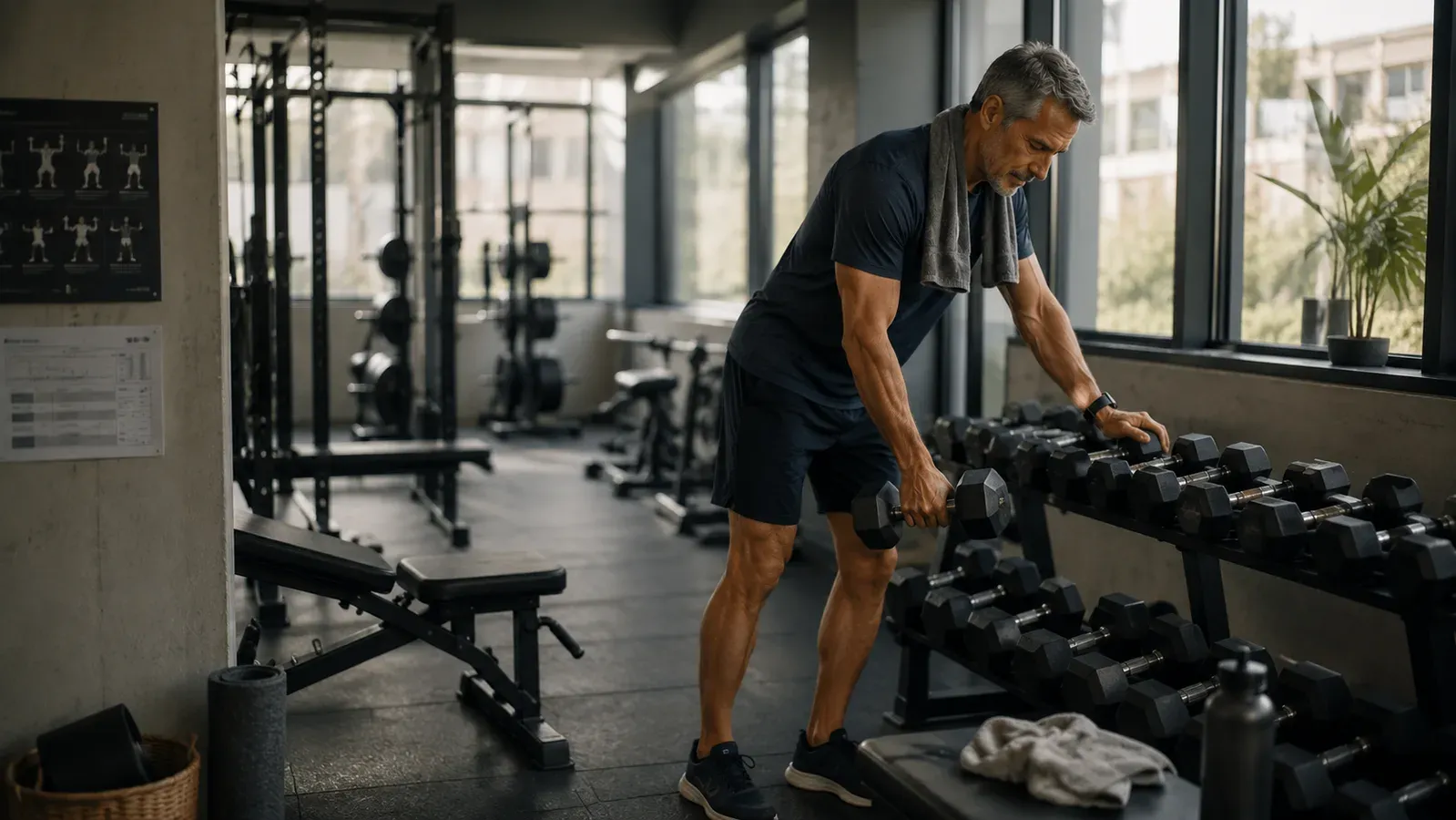
Resistance training is the main practical tool
Progressive resistance training gives muscle a reason to maintain or increase strength. A Cochrane review found that progressive resistance training improved physical function in older adults, including measures such as strength and some daily activities, although study programmes and participant health varied (Cochrane).
The CDC recommends muscle-strengthening activity on at least two days a week for adults aged 65 and older, alongside aerobic and balance activity (CDC guidance). Two days is an accessible starting point, not a guarantee or a ceiling.
A useful session can include a squat or sit-to-stand pattern, a hip hinge, a push, a pull, a step or lunge pattern and loaded carrying if appropriate. Machines, bands, free weights and body-weight exercises can all work. Exercise choice should fit current balance, joint comfort, medical restrictions and access to equipment.
Progression does not require a universal percentage of one-repetition maximum. Add a repetition, a small amount of resistance, another controlled set or a harder variation when technique remains stable and recovery is adequate. If pain, dizziness or unusual shortness of breath appears, stop and have the problem assessed instead of forcing progression.
Our guide to building muscle explains sets, repetitions, effort and progression in more detail.
Aerobic and balance work still matter
Walking, cycling and other aerobic activity do not replace resistance training, but that does not make them optional. They support cardiovascular fitness, stamina and the ability to keep doing daily activity. Balance work addresses another part of fall risk.
The CDC framework combines aerobic, muscle-strengthening and balance activity because each solves a different problem. For a previously inactive older adult, a short walk and a brief strength session may be more realistic than an ambitious programme that lasts one week.

Protein supports training, but the target is individual
The PROT-AGE position paper proposed 1.0 to 1.2 g of protein per kilogram of body weight per day for many healthy adults over 65. It discussed at least 1.2 g/kg/day for older people who are active or have acute or chronic illness, while also recognising that severe kidney disease may require restriction and specialist guidance (PROT-AGE Study Group).
These are contextual recommendations, not one rule for every older adult. Body size, appetite, total calorie intake, training, illness, swallowing or dental problems and kidney function all change the decision. At 75 kg, 1.0 to 1.2 g/kg/day equals 75 to 90 g daily, but the arithmetic does not decide whether that range is right for you.
Protein works best as support for resistance training. A 2018 meta-analysis found that protein supplementation modestly improved gains in muscle mass and strength during prolonged resistance training in healthy adults, with the average model levelling off around 1.6 g/kg/day. That analysis was not a prescription specifically for every older adult or for people with chronic disease (British Journal of Sports Medicine).
Spread useful protein sources across meals if that helps you eat enough, and use ordinary foods when practical. The protein calculator can show the maths, while our protein guide explains food choices and the limits of fixed targets. If you have kidney disease or have been told to restrict protein, ask your clinician or dietitian before raising intake.
Where hormones fit
Testosterone can influence muscle mass and strength, but age-related weakness is not proof of low testosterone. Inactivity, undernutrition, sleep problems, medication effects and chronic illness can produce an overlapping picture.
Testing becomes more relevant when reduced strength appears with symptoms that fit androgen deficiency, such as persistent sexual symptoms, or when a clinician identifies another reason to investigate. The Endocrine Society recommends diagnosing hypogonadism only when compatible symptoms or signs occur with unequivocally and consistently low testosterone, confirmed with a repeat morning fasting measurement (Endocrine Society guideline). Our guides to low-testosterone symptoms and the testosterone blood test explain that process.
Prescription testosterone is a medical treatment for confirmed deficiency, not a general treatment for ordinary ageing. Products sold as testosterone boosters should not distract from training, adequate food and medical review when symptoms are significant.
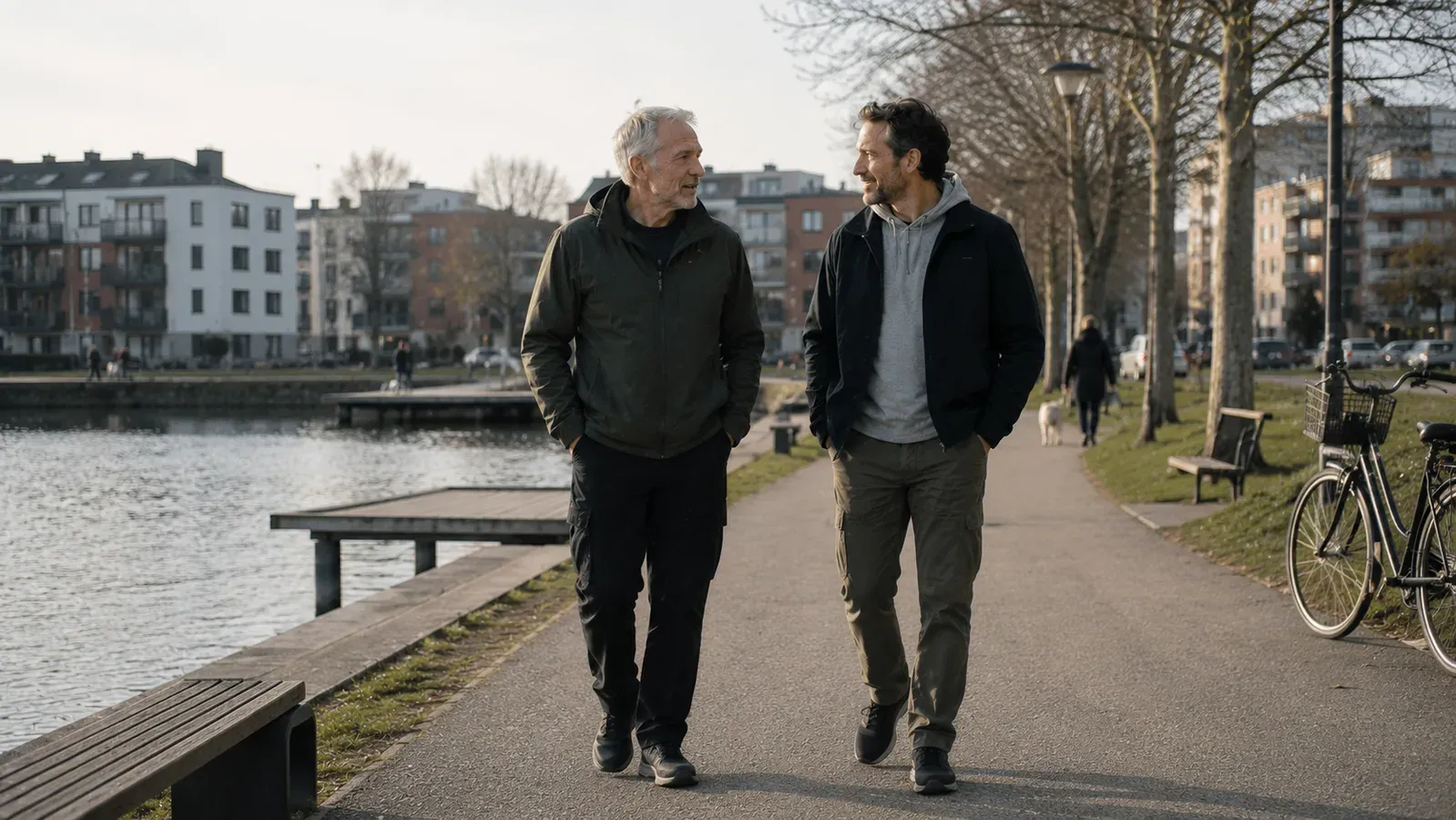
A realistic starting week
If you are generally well but have not trained recently, a simple week can establish the habit:
- Two non-consecutive strength sessions. Use a small group of exercises covering the major muscle groups.
- Begin with manageable work. One or two controlled sets per exercise may be enough for the first sessions.
- Progress gradually. Add repetitions or a small amount of resistance only when the movement feels stable.
- Keep aerobic activity. Accumulate walking, cycling or another suitable activity across the week.
- Include balance practice. Choose a safe version and use support if needed.
- Eat enough overall. Protein cannot compensate for persistent under-eating or an untreated health problem.
A physiotherapist, qualified exercise professional or clinician can help adapt this framework after falls, surgery, long inactivity, significant joint pain or a diagnosis that affects exercise.
When to seek medical review
Arrange an assessment if weakness is new or worsening, weight or muscle is being lost without trying, walking speed has changed, falls are becoming more frequent, or ordinary tasks such as rising from a chair have become difficult. Rapid decline should not be written off as age.
Seek prompt care for sudden one-sided weakness, chest pain, severe shortness of breath, fainting or weakness that follows an acute illness and is not recovering. The cause may have little to do with sarcopenia and may need urgent treatment.
Frequently asked questions
At what age do men start losing muscle?
Muscle mass and strength can begin to decline gradually in midlife, but the timing and rate vary. Harvard Health estimates an average muscle-mass loss of 3% to 5% per decade after age 30, while Cleveland Clinic cites losses of up to 8% per decade. These are broad population estimates, not a personal forecast.
Can older men regain muscle?
Yes. Older adults can improve strength and physical function with progressive resistance training. The size and speed of the response vary with health, training history, nutrition and consistency, so the goal is steady improvement rather than matching a younger person's rate.
How much strength training helps preserve muscle?
The CDC recommends muscle-strengthening activity on at least two days each week for adults aged 65 and older. Train the major muscle groups with exercises you can perform safely, and gradually increase repetitions or resistance when the current work becomes manageable.
How much protein do older adults need?
The PROT-AGE group proposed 1.0 to 1.2 grams of protein per kilogram of body weight per day for many healthy adults over 65, with higher intake sometimes considered for active people or during illness. Needs vary, and people with kidney disease should get individual advice rather than adopting a high-protein target on their own.
References
- Sarcopenia: revised European consensus on definition and diagnosis · Age and Ageing, 2019
- Physical activity guidelines for older adults · Centers for Disease Control and Prevention
- Progressive resistance strength training to improve physical function in older adults · Cochrane
- Evidence-based recommendations for optimal dietary protein intake in older people · Journal of the American Medical Directors Association, 2013
- Protein supplementation and resistance training-induced gains · British Journal of Sports Medicine, 2018
- Preserve your muscle mass · Harvard Health Publishing
- Sarcopenia (muscle loss) · Cleveland Clinic
- Testosterone therapy for hypogonadism guideline resources · Endocrine Society
Last reviewed: 19 September 2026. See our corrections policy.
Read next
Tired after every workout: check sleep before adding more training
A practical sleep check for men who lift, including when snoring, gasping or daytime sleepiness needs assessment rather than another supplement.
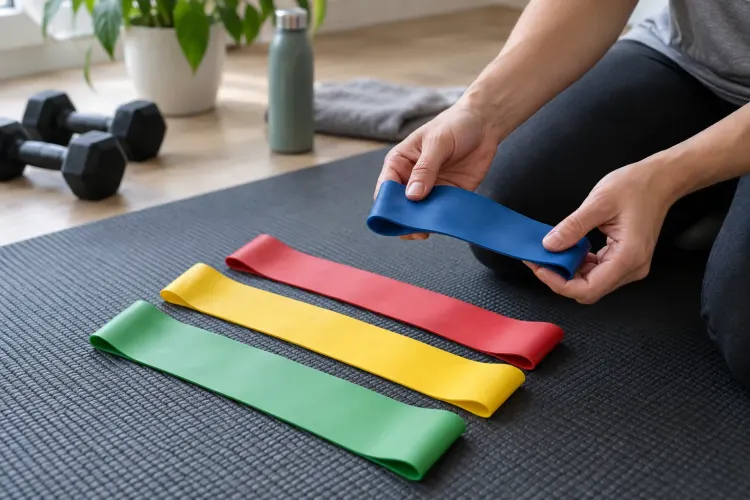
Getting stronger with resistance bands: track more than the color
Make a home band workout repeatable, know when to progress it, and check the equipment without treating a color as a universal weight.

Strength training has stalled: what to check before changing programs
Use your training record to separate one bad session from a plateau, then change a manageable part of the plan without chasing soreness.